Your Exterior Paint Is More Than Cosmetics

Exterior paint does double duty: it makes your home look beautiful and it protects it from moisture, UV rays, insects, and rot. When paint begins to fail, your home's structural components become vulnerable. Catching the warning signs early can save you thousands in repair costs down the road.

1. Peeling or Flaking Paint

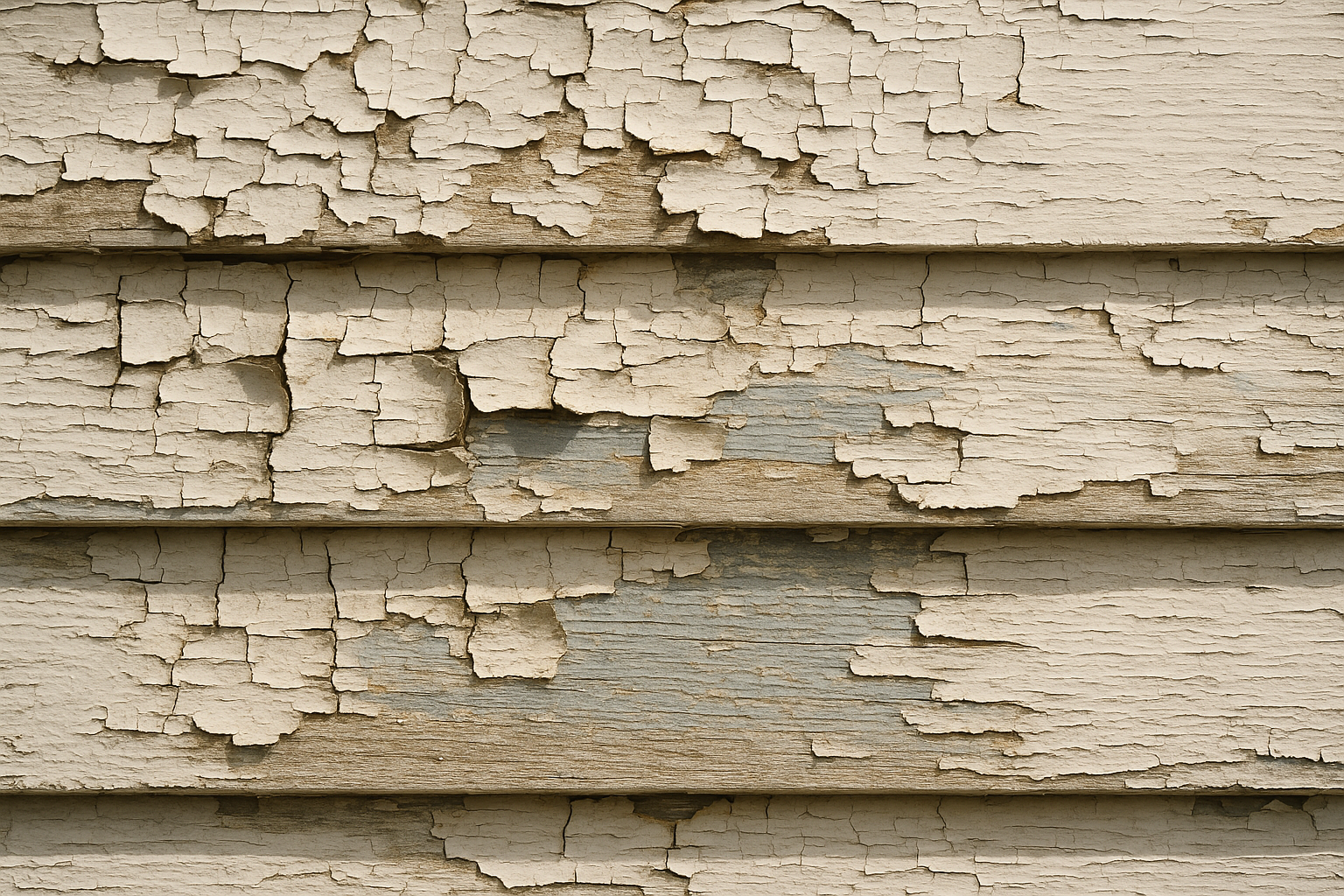
Peeling is the most obvious sign that your paint has lost adhesion. It usually starts in areas with the most moisture exposure -- around windows, under eaves, and on north-facing walls. Once peeling begins, it spreads quickly because water gets behind the remaining paint and accelerates the failure.

2. Chalking

Run your hand across your siding. If it comes away with a powdery white residue, your paint is chalking. This happens when the paint's binders break down from UV exposure, leaving behind loose pigment. A small amount of chalking is normal on older paint, but heavy chalking means the coating is no longer protecting the surface beneath it.

3. Fading or Discoloration

All exterior paint fades over time, but dramatic fading -- where one side of your home looks noticeably different from another -- indicates the paint film has deteriorated. Dark colors fade faster than light ones, and south- and west-facing walls take the heaviest UV hit. Uneven fading makes your home look tired and can signal that the paint is nearing the end of its life.

4. Cracking or Bubbling

Cracks in paint create pathways for water to reach the substrate. Fine hairline cracks may seem harmless, but they expand with temperature changes and eventually allow moisture infiltration. Bubbling indicates moisture is trapped beneath the paint film, often from an interior moisture source or a previous paint job that did not adhere properly.

5. Visible Wood Grain Through Paint

If you can see the texture of the wood grain through your paint, the coating has worn too thin to provide adequate protection. This is common on siding that faces the weather and on horizontal surfaces like windowsills and porch railings where rain sits before evaporating.

6. Mold or Mildew Growth

Dark spots or greenish growth on your siding indicate mold or mildew. While surface mildew can often be cleaned, its presence usually means the paint's mildewcide has been depleted. In the Pacific Northwest, mildew-resistant coatings are essential -- once the existing coating loses that protection, repainting with a product that includes mildew inhibitors is the right move.

7. Caulking Gaps or Failed Sealant

Caulking around windows, doors, and trim joints does not last forever. When it cracks, shrinks, or pulls away, water enters the wall cavity. While caulking can be replaced independently, failed caulking is often a signal that the surrounding paint is also near the end of its service life. A professional repaint includes fresh caulking at every joint and seam.

Why Ignoring These Signs Gets Expensive

Every one of these warning signs represents a breach in your home's protective envelope. Moisture that gets behind failing paint causes wood rot, which requires carpentry repairs that cost far more than a repaint. Addressing paint failure early keeps your maintenance costs predictable and prevents small problems from becoming major structural issues.

Schedule an Inspection

If you have noticed any of these warning signs on your home, contact Fridenmaker Painting for a free exterior inspection. We will assess the condition of your paint, identify any areas of concern, and give you an honest recommendation on whether it is time to repaint or whether you can wait another season.