
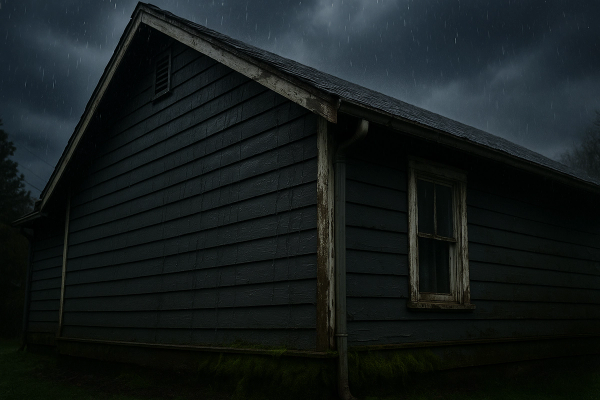
The PNW Moisture Problem
The Pacific Northwest averages 150 or more days of rain per year, and the cool, damp climate creates conditions where moisture-related damage is inevitable rather than unlikely. Homes in the Puget Sound region face a relentless cycle of saturation and slow drying that accelerates exterior deterioration faster than almost any other climate in the country.
Types of Moisture Damage
Wood rot -- sustained moisture softens and breaks down wood fibers in siding, trim, windowsills, and fascia boards. Mildew and mold -- dark staining and biological growth that degrades paint and is difficult to fully remove without recoating. Paint failure -- moisture trapped beneath paint causes bubbling, peeling, and delamination.
North-Facing Walls: The Worst Offenders
If any part of your home is going to show moisture damage first, it will be the north-facing walls. These surfaces receive the least direct sunlight, dry the slowest after rain, and stay damp long enough for mildew and moss to establish. In many PNW homes, the north side of the house needs attention one to two paint cycles sooner than the south side.
The Restoration Process
When moisture damage has already occurred, the repair process involves more than just repainting. Professional exterior restoration follows a careful sequence: assess and repair, clean and prepare, prime, caulk and seal, then paint and protect with two coats of premium exterior paint with built-in mildew resistance and UV protection.
Prevention: Paint as a Moisture Barrier
A properly applied paint system is your home's primary defense against moisture. The combination of primer, caulking, and topcoats creates a continuous protective film that repels water while allowing trapped moisture to escape as vapor.
